
Water, Cloth & Pins

This weeks reading, besides the tremendous new Robert MacFarlane book, is preparation for writing a proposal for ‘Ghost Mills’, a Walking the Land exhibition for the Wool & Water Festival in September. Did you know that teasels (teazles, teazels) used for knapping the woven cloth? I didn’t but hoping that I can still get at the teasel tower at the former Frogmarsh Mill – used to dry the teasels before use.

Āc Sidu*: Oak Practice

Thanks to the gracious & skilled assistance of Kate Raw, the enactment for Confluence 2019 went ahead. Things are coming together for the end of the month.


*(Old English – custom; habit; practice; use; ritual; rite)
Confluence

More Preparations for Confluence 2019
Taking the Oak Gall Dyed fabric and associating it further through direct contact. Left to ‘absorb’ something of the oak.
I haven’t made work and shown it publicly in a very long time, so this is getting nerve racking the closer I get…
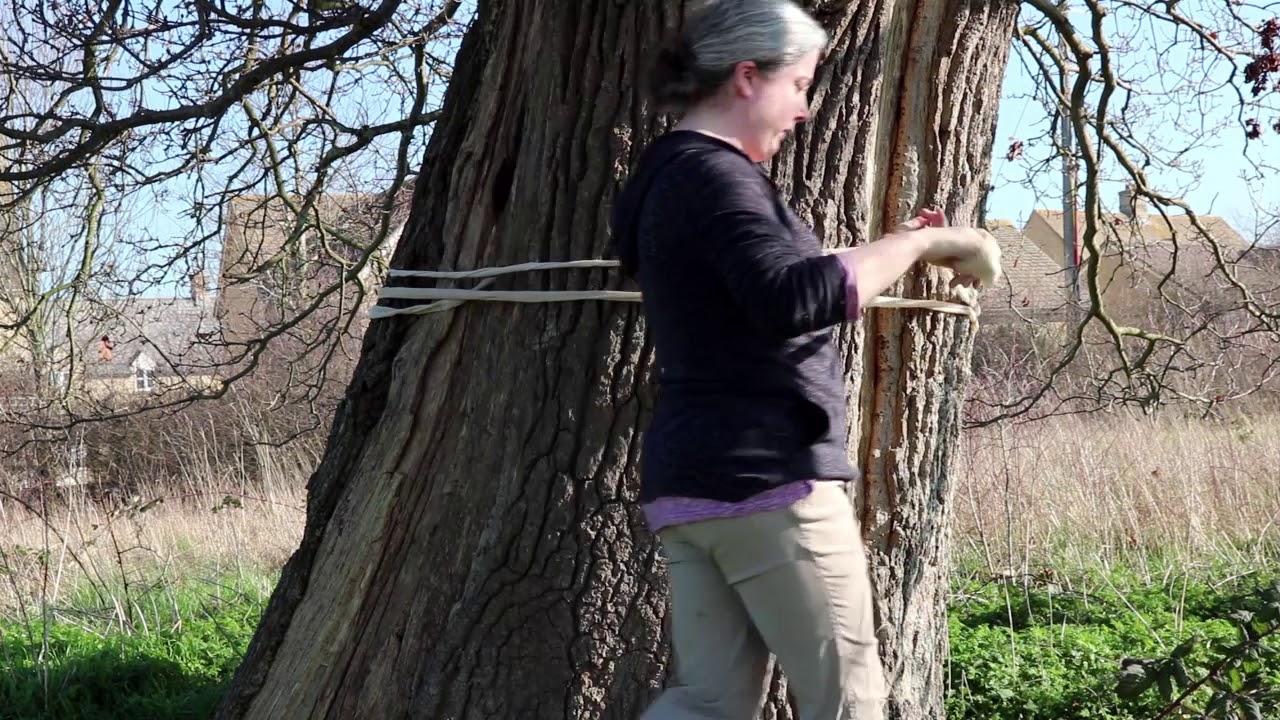
Further Preparations for Confluence 2019
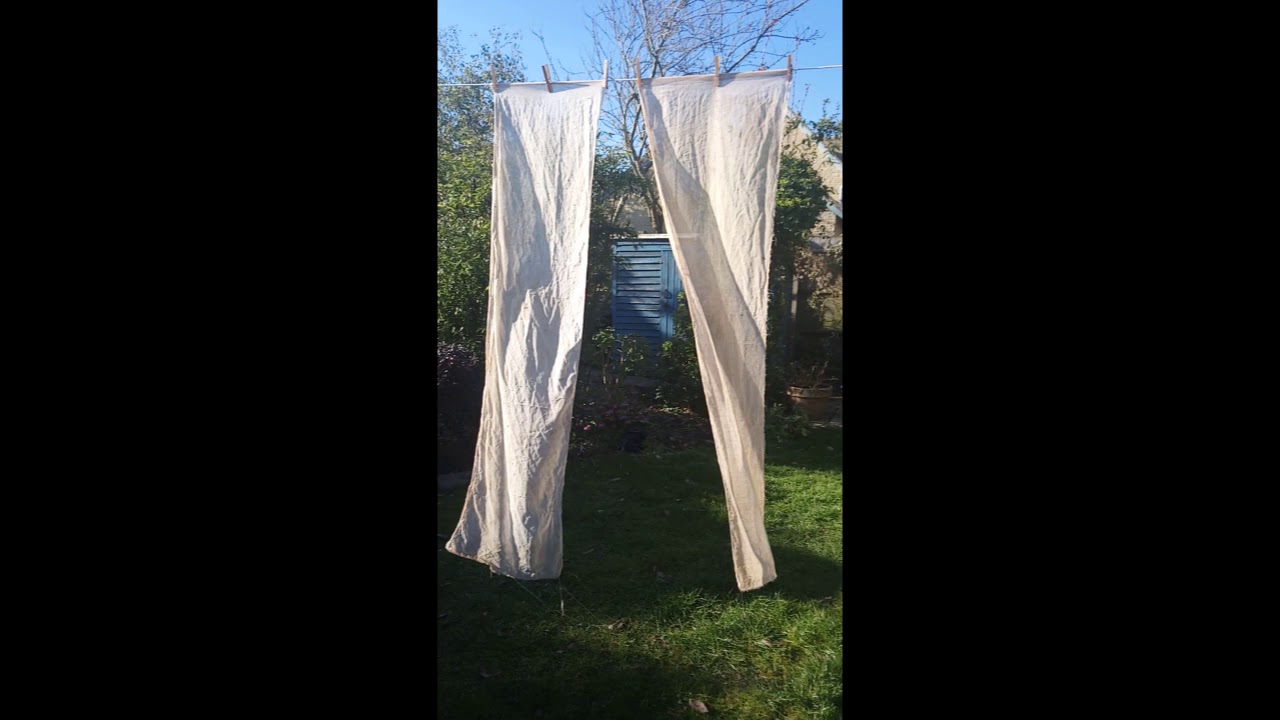
Preparing for Confluence 2019
‘Confluence’ at the Museum in the Park in Stroud is happening in just over a month and preparations are stepping up for the making of my contribution. I thought I’d share – some are practice runs, others are more intrinsic to the final thing. This was a test run for one part of it.
First blog post as a collections assistant
Tales from the Stores: Mad as a Hatter
Following my first museum talk, I got to write a blog post about part of it. I love my job.
Perambulations – St. Augustine’s Oak & Well

During my researches about the village I live in, with it’s derelict airfield and Tudor manor house, I became intrigued by Oak Road. This road used to run from the village out to the Castle Eaton road and was severed by a World War II airfield in 1943. The airfield was in use from 1943 to 1947; it received casualties, was a base to large numbers of Canadian airman and was the take off site for planes going out to Arnhem and for D Day. The building of this airfield wiped out two farms, one of which was called The Oak. This farm is clearly visible on maps throughout the nineteenth century, including the 1840’s tithe map. This farm was also possible site of St Augustine’s Well and the Gospel Oak. The site of St. Augustines meeting with the Welsh Bishops in the sixth century is contested but the argument has been made that it is Down Ampney. The best description of this argument I have found came in an article from the Wiltshire and Gloucestershire Standard newspaper from 1941, which I have transcribed – Wilts Glos article 1941_St Augustine. This article is a, slightly long winded, call for the protection of the site. The writer, who’s name is not on the newspaper cutting I found in the Corinium Museum archive, appeals to the reader’s sense of wartime patriotism.
“And for our own people does not patriotism stand largely in this, that they are defending, at such a time as this, a land which is rich with such associations with their own immemorial past as no other land, however rich in other respects, could give them?……..Let our young people, descendents of the Hwiccii and West Saxons, who live around us visit it and see if it does not transform a dull lesson in a duller history book on a dull afternoon into a radiant fact lit up by a glowing imagination by their being in some way spectators at this great meeting of St. Augustine and the Welsh Bishops.”
Within two years of this article the airfield was built, rewriting the landscape forever and effacing the site of the Oak and Well.
I continue my project on this effaced site…
Perambulations – Lino Experiments


You must be logged in to post a comment.